Fairmount and Ryan Place sit three blocks apart on Fort Worth's near south side, share the same historic-district rules, and as of July 2026 carry almost identical median list prices, $524,000 in Fairmount against $534,000 in Ryan Place. Yet Fairmount homes were moving in a median of 41 days that month while Ryan Place homes sat for 85. Same price bracket, same commission, same Certificate of Appropriateness process. Double the time on market.
The obvious explanation, that one neighborhood is simply less desirable, doesn't hold up. Both districts draw buyers specifically because they're historic. The real answer has less to do with desirability and more to do with what a buyer is actually agreeing to take on when they close, and how that scope of work runs into a preservation calendar that doesn't move for anyone's closing date.
What Actually Triggers a Certificate of Appropriateness Here
Any exterior change to a contributing structure in one of Fort Worth's local historic districts needs a Certificate of Appropriateness, known around City Hall as a COA, before a permit gets issued. The list of what counts as exterior work is longer than most buyers expect. It covers walls, roofs, siding, windows, exterior doors, fences, porches and porch columns, driveways and walkways, decks, painting masonry, and foundations.
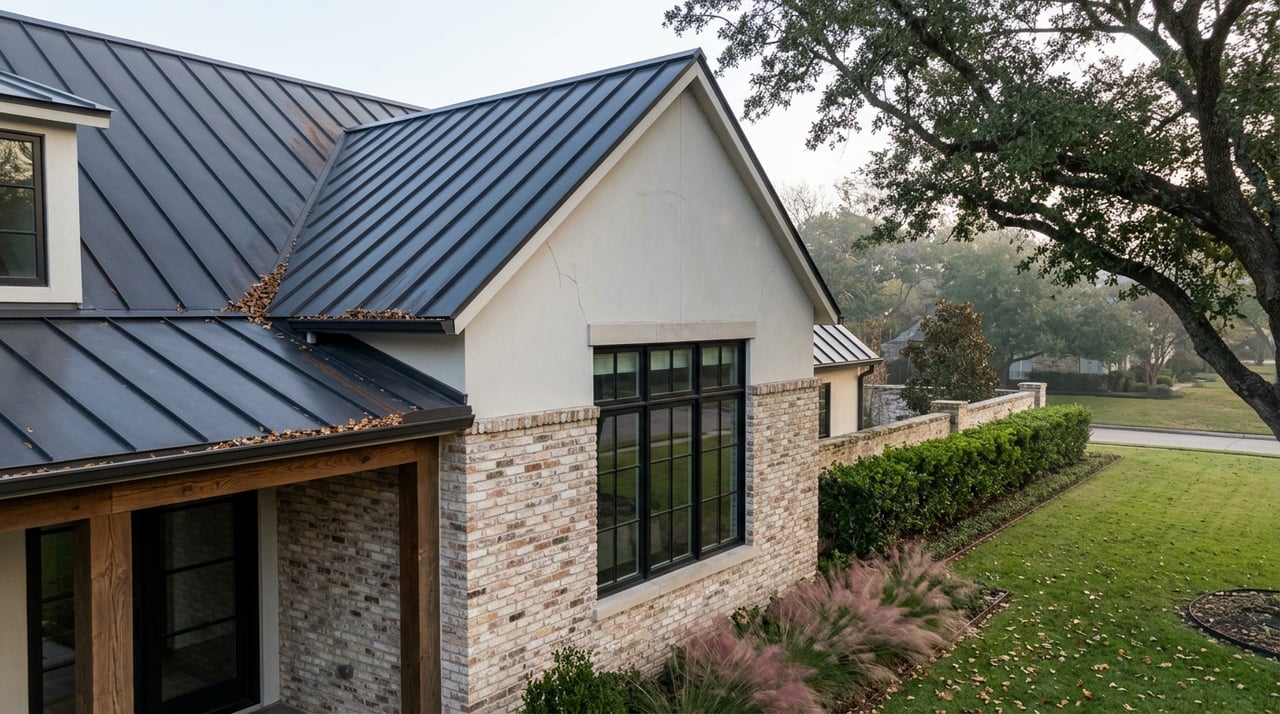
That last one catches people off guard. A foundation repair on a pier-and-beam house, common in Fairmount and Ryan Place since most of the housing stock predates 1940, can trigger the same review as swapping out a front door. Routine in-kind repair using matching materials is typically exempt. Painting unpainted masonry is not. Installing a metal roof is not.
None of this stops a sale. It stops the renovation a buyer had already planned in their head before they made an offer.
The Calendar That Doesn't Bend for a 30-Day Close
Fort Worth's Historic and Cultural Landmarks Commission meets once a month, on the second Monday, to rule on COA applications. Applications are due the third Monday of the preceding month. Miss that window and the project waits a full cycle, regardless of what the buyer's contractor or lender needs to move forward.
The commission is active. In June 2026 it approved four COA cases for new residential construction in the Terrell Heights, Morningside, and Carver Heights districts, including applications from Milton Rodriguez of MR INV Homes LLC for a new residence at 1200 E. Cannon St, James Sobczak for 1028 E. Cannon St, and NewPad Building Co. for a new residence at 1313 E. Morningside Drive. All four cleared on the condition that the applicants incorporate minor design changes flagged by staff, a normal outcome that still adds a round of revision before final sign-off.
The city's Historic and Cultural Landmarks Commission reviews these applications alongside all other required building permits, so a COA denial or a requested revision doesn't just delay the preservation review, it holds up the permit itself. A buyer who closes in 30 days and wants to start exterior work immediately is, at best, one missed third-Monday deadline away from a two-month delay before a permit can even be pulled.
Same Price, Double the Time. Here's the Actual Difference
Here is where the two districts diverge. Fairmount is the largest historic district of its kind in the country, with more than 1,000 contributing structures built mostly as bungalows and American Foursquares between the 1880s and 1920s. The typical exterior project here is a porch repair, a window replacement, a reroofing job. Modest in scope, easy to describe in a single COA application, and small enough that most buyers who want the work done can find a contractor willing to sequence around a monthly hearing.
Ryan Place, and Elizabeth Boulevard within it, developed as Fort Worth's Silk Stocking Row of the 1920s, lined with larger Mediterranean stucco and Georgian brick homes on bigger lots. The exterior projects that come with these houses tend to be bigger too, a full re-roof on a five-bedroom estate, structural porch rebuilds, garage additions that have to be justified against a historic streetscape. Larger scope means a longer, more detailed COA application, a higher chance staff sends back requested revisions before the hearing, and a much smaller pool of buyers willing to underwrite both the purchase price and the renovation timeline on a property this size.
Days on market
| District | Locally designated | July 2026 median list price | July 2026 median days on market |
|---|---|---|---|
| Fairmount/Southside | 1990, National Register | $524,000 | 41 days |
| Ryan Place (Elizabeth Boulevard) | 1920s Silk Stocking Row | $534,000 | 85 days |
The price tag doesn't explain the gap. The renovation math does. A buyer chasing a bungalow-scale project in Fairmount can plan around one HCLC cycle. A buyer taking on an estate-scale rehab in Ryan Place is often planning around several, and that shrinks the number of people willing to make an offer at all.
The Tax Trade That Only Pays Off for One Kind of Buyer
Historic designation isn't only a cost. Fort Worth's Historic Site Tax Exemption freezes the city's portion of property taxes at the pre-renovation assessed value for 10 years on a Historic and Cultural Landmark property, extending to 15 years for a property designated Highly Significant Endangered. To qualify, the rehabilitation spend has to equal at least 20 percent of the assessed value of the improvements, and the application has to be approved before work starts, not after.
That freeze applies to any owner who restores a designated property, whether they live in it or rent it out. A separate set of incentives, the Texas Historic Preservation Tax Credit at 25 percent of eligible rehab costs and a federal credit at 20 percent, is built specifically for income-producing buildings. Those two credits matter most to an investor converting a contributing structure into a rental or a mixed residential-commercial space, not to a family restoring a primary residence.
Put together, the incentives favor a buyer who plans to stay, restore properly, and hold. They do very little for a buyer who wants to close fast, gut a kitchen, and move on. That split in incentives is a large part of why the buyer pool for a bigger historic rehab narrows the way it does.
What to Check Before You Write an Offer
A few questions are worth answering before an offer goes in on a contributing structure in Fairmount, Ryan Place, or Mistletoe Heights, which was designated in 2002 and represents Fort Worth's own example of an early-twentieth-century upper-middle-class neighborhood built for long-term ownership rather than quick turnover.
- Confirm whether the property is classified contributing or non-contributing within the district. Non-contributing structures face a lighter review standard.
- Ask whether any exterior work is already planned or mid-review. A pending COA can transfer helpful groundwork to a new owner.
- Map the project scope against the HCLC calendar before setting a renovation start date. A third-Monday application deadline missed by a week can cost a full month.
- If the plan involves foundation work, budget the review into the timeline. Painting unpainted masonry, installing a metal roof, and touching a pier-and-beam foundation all require a COA, even when the material is going back exactly as it was.
- For anyone weighing the tax freeze, apply for the Historic Site Tax Exemption before the first shovel goes in the ground. Approval after the fact does not qualify.
None of this makes historic Fort Worth a harder place to buy well. It makes the timeline something to plan around instead of discover midway through a transaction.
FAQ
Does buying a historic home in Fort Worth require HCLC approval for the sale itself? No. The commission's review only applies when an owner wants to change the exterior of the property. The purchase and closing happen independently of any HCLC process.
Can I paint my historic home any color I want? Painting already-painted surfaces is typically routine maintenance and exempt from review. Painting unpainted masonry for the first time requires a Certificate of Appropriateness.
What if I want to live in the house exactly as it is, with no exterior changes? Then the historic district rules add almost nothing to the transaction. The friction only shows up when a buyer plans to alter the exterior.
If you're weighing a historic Fairmount bungalow against a larger Ryan Place estate, or trying to figure out how a planned renovation lines up against the HCLC calendar before you write an offer, Everett Shell & Associate Realty can walk through the timeline with you and connect you with the right people at the city before you're under contract. Book a consultation and let's map out what your specific project actually requires.